Trees add beauty, shade, and value to your property, but they also require ongoing care to remain healthy. While some tree problems develop gradually, others can progress quickly, especially after storms, drought, insect infestations, or disease. Recognizing the warning signs of a declining tree early can help protect your property and may even allow the tree to be treated before the damage becomes irreversible.
Knowing what to look for can make all the difference.
At Tree Guy Now, our certified arborists help homeowners and businesses throughout the Lehigh Valley evaluate tree health and recommend the best course of action, whether that’s treatment, pruning, or safe removal.
TL;DR
- Dead or falling branches may indicate declining tree health.
- Sparse leaves or bare sections can be warning signs.
- Cracks, cavities, or peeling bark should not be ignored.
- Fungal growth near the trunk or roots may point to decay.
- Leaning trees or exposed roots can signal structural problems.
- A professional tree inspection can determine the safest solution.
Are Dead Branches a Sign of Trouble?
A few dead twigs are common on mature trees, but large dead limbs or multiple dying branches deserve attention.
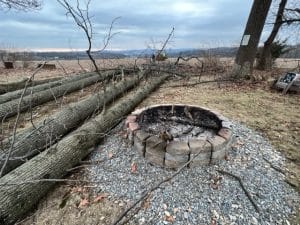
Dead branches often indicate that part of the tree is no longer receiving the nutrients it needs. These limbs can also become hazardous, especially during strong winds or storms, increasing the risk of property damage or personal injury.
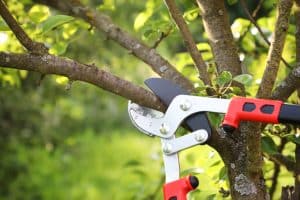
Removing dead branches promptly can improve safety while helping determine whether a larger issue is affecting the tree.
Why Are Bare Branches and Sparse Leaves Concerning?
Healthy trees typically produce full, consistent foliage during the growing season.
If sections of the canopy remain bare while the rest of the tree has leaves, or if leaves are significantly smaller than normal, the tree may be under stress from disease, insect activity, root damage, or environmental conditions.
Changes in leaf production are often one of the earliest signs that something is wrong.
What Does Damage to the Trunk Mean?
The trunk provides the structural support that keeps a tree standing.
Deep cracks, large cavities, peeling bark, or areas where bark is missing can weaken the tree over time and may allow insects or decay to spread. While some surface imperfections are normal as trees age, significant damage should always be evaluated by a certified arborist.
The condition of the trunk often provides valuable clues about a tree’s overall health.
Can Fungi Indicate Internal Decay?
Mushrooms or fungal growth around the base of a tree or along the trunk may indicate that decay is occurring inside the wood.
Although not every fungus signals a serious problem, it can suggest that parts of the tree are breaking down internally. A professional inspection can determine whether the tree remains structurally sound or if corrective action is needed.
Identifying decay early helps you make informed decisions about your property’s safety.
When Should You Call a Certified Arborist?
If you notice several warning signs at once, it’s best to schedule a professional tree inspection.
Certified arborists can evaluate the tree’s health, identify diseases or insect damage, assess structural stability, and recommend whether pruning, treatment, or removal is the most appropriate solution. Early intervention may help preserve valuable trees while preventing costly property damage.
Professional guidance provides peace of mind and helps protect your landscape.
Why Choose Tree Guy Now?
Since 1944, Tree Guy Now has proudly served homeowners and businesses throughout the Lehigh Valley with professional tree care backed by licensed and certified arborists. Whether your tree needs expert pruning, health treatments, emergency service, or safe removal, our experienced team is committed to protecting your property while helping your landscape thrive for years to come. Contact us today to get started.
Some trees can recover if problems such as insect activity, disease, or environmental stress are identified early enough. A certified arborist can evaluate the tree's condition and recommend treatments when appropriate before the damage becomes too severe.
Not necessarily. Some trees naturally grow at an angle, but a sudden lean, exposed roots, or movement after a storm may indicate structural instability that should be evaluated promptly by a professional.
Healthy, mature trees benefit from periodic inspections, especially after severe weather or if you notice changes in their appearance. Regular evaluations can identify developing problems before they become safety hazards or require costly emergency services.